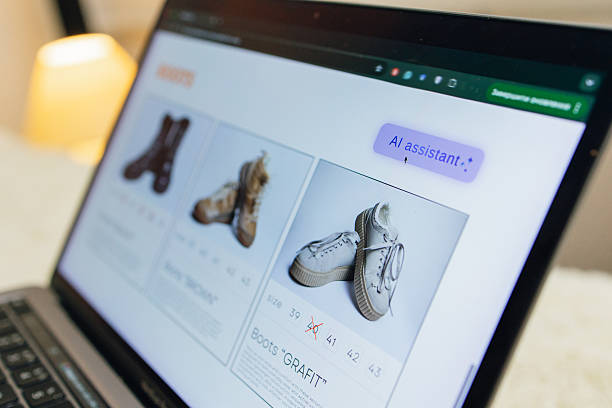
A handloom retailer in Trichy who had run the same physical shop for over a decade recently mentioned that nearly a third of her monthly revenue now comes from an online store she launched less than two years ago, reaching customers in cities she had never even visited. Stories like this are becoming common across the city, as retailers realise that a physical shop, no matter how well located, only ever reaches customers within a limited radius.
Ecommerce isn’t just for large national brands anymore. Local businesses selling everything from textiles to snacks to handmade crafts are discovering that a well-built online store can extend their reach far beyond what foot traffic alone could ever provide.
Why Local Retailers Are Making the Shift
The pandemic accelerated a shift in shopping habits that hasn’t really reversed. Customers who got comfortable ordering online continue to do so, even for products they’d previously only buy in person. For retailers, this means the businesses that adapted their sales channels accordingly have continued growing, while those relying purely on walk-in customers have often seen flat or declining footfall.
There’s also a simple economic logic at play: a physical shop has fixed operating hours and a limited catchment area, while an online store is open continuously and can technically reach any customer with an internet connection and a willingness to have something shipped.
What Makes an Ecommerce Store Actually Work
Simply putting products on a generic ecommerce template rarely produces good results on its own. Customers need to trust that the store is legitimate, that payments are secure, that sizing or product details are accurate, and that support is available if something goes wrong. This requires thoughtful product photography, clear descriptions, transparent shipping and return policies, and a checkout process that doesn’t create friction at the last step.
Payment integration is another area where things often go wrong with generic setups. Indian customers expect UPI, cards, net banking and cash-on-delivery options all working smoothly, and any friction here directly translates into abandoned carts.
The Value of a Locally Aware Development Partner
Generic, low-cost ecommerce templates can get a store online quickly, but they often struggle with region-specific needs, GST-compliant invoicing, regional language support, logistics integration with couriers that actually service smaller towns, and pricing structures that account for local delivery zones. This is where a dedicated Ecommerce Website Development Company in Trichy adds real value, building a store that fits the practical realities of shipping from and selling within this region.
A locally built store also tends to load faster for the local audience and can be tailored to reflect buying patterns specific to the region, whether that’s seasonal demand spikes around festivals or particular product categories that perform unusually well locally.
Beyond Just Selling: Building a Brand Online
An ecommerce store isn’t just a digital shelf, it’s an extension of the brand itself. The way products are presented, the tone of the descriptions, the overall visual identity, all of this shapes how customers perceive the business, especially customers who’ve never interacted with the physical shop and have no other reference point.
Businesses that treat their online store as a genuine brand experience, rather than just a transaction page, tend to see stronger repeat purchase rates and better word-of-mouth referrals, both of which compound over time far more than a single sale ever could.
Getting Started
For retailers considering the jump into online selling, the process doesn’t have to start big. A focused catalogue of best-selling products, a clean and functional store, and reliable payment and shipping setup is often enough to validate demand before expanding further. From there, scaling the catalogue and marketing efforts becomes far easier with real sales data to guide decisions.
Partnering with an experienced Ecommerce Website Development Company in Trichy takes much of the guesswork out of this process, ensuring the store is built correctly from day one rather than needing costly rework down the line. For local businesses ready to grow beyond the limits of foot traffic, a well-built online store is increasingly not just an option, but a necessity.
Handling Logistics, the Part Everyone Underestimates
Product listings and payment gateways tend to get most of the attention when planning an online store, but logistics is usually where things quietly go wrong. Choosing courier partners that reliably service the actual delivery areas a business is targeting, setting realistic delivery timelines, and having a clear returns process all matter enormously to the customer experience, and a badly handled return or a lost shipment can undo the trust built by an otherwise great shopping experience.
Packaging is another detail that’s easy to overlook but has an outsized impact, especially for products where presentation matters, since the unboxing experience is often a customer’s first physical interaction with a brand they’ve only known online until that point. Businesses that plan logistics and packaging with the same care as the storefront itself tend to see noticeably better repeat order rates than those that treat these details as an afterthought.
A Quick Final Thought
Launching an online store is less about a single big reveal and more about a steady process of refinement, testing which products sell, adjusting descriptions and pricing, and improving the checkout experience based on where customers actually drop off. Businesses that treat their store as a living project rather than a finished one tend to keep growing their online revenue quarter after quarter.